
Feeling off in your cycle, emotionally up and down, or struggling with PMS, sleep, or fertility? Your hormones may be out of sync — especially estrogen and progesterone, two of the most powerful players in your body. These hormones do far more than regulate your period. They affect your mood, metabolism, brain, skin, energy levels, and even how you respond to stress.
Let’s break down what estrogen and progesterone actually do, what happens when they’re out of balance, and how to bring them back into harmony naturally.
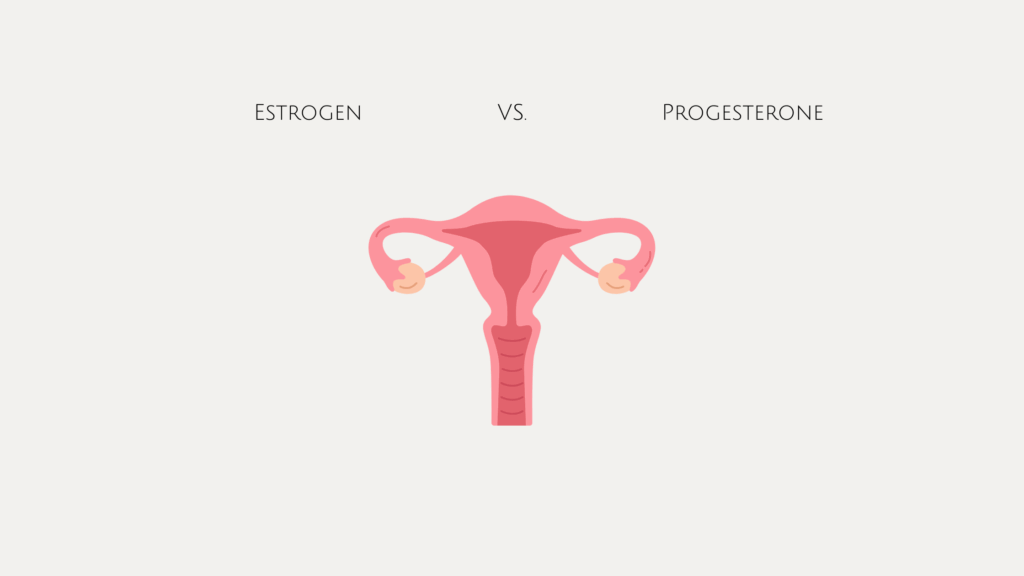
What Is the Function of Estrogen?
Estrogen is the hormone that makes you feel vibrant, feminine, and energized. It plays a key role in:
- Thickening the uterine lining to support pregnancy
- Regulating your menstrual cycle
- Stimulating mood-boosting neurotransmitters like serotonin
- Protecting your bones and heart
- Enhancing skin elasticity and collagen
- Supporting vaginal and bladder health
Estrogen levels naturally rise in the first half of your cycle (follicular phase) and peak just before ovulation. It’s the hormone that gives you energy, a brighter mood, and that confident feeling mid-cycle.
What Is the Function of Progesterone?
Progesterone is your calming, stabilizing hormone. It:
- Prepares the uterus for a fertilized egg after ovulation
- Supports early pregnancy
- Balances the stimulating effects of estrogen
- Calms the brain by boosting GABA (your “relaxation” neurotransmitter)
- Supports sleep quality and stress resilience
- Helps regulate immune function
Progesterone is produced after ovulation during the luteal phase. If you don’t ovulate, you don’t make progesterone. That’s why stress, under-eating, and certain hormonal imbalances can cause low levels — even if your estrogen is “normal.”
Why the Balance Between Estrogen and Progesterone Matters
It’s not just about how much estrogen or progesterone you have — it’s about the ratio between the two. When estrogen gets too high relative to progesterone, you can feel wired, moody, bloated, or overwhelmed. When both are too low, you might feel flat, tired, and hormonally “disconnected.”
Estrogen and progesterone should dance in harmony throughout your cycle. When one leads too strongly or fades too early, symptoms show up.
Estrogen Dominance: What Happens When Estrogen Is Too High
Estrogen dominance is one of the most common hormone imbalances in women. It happens when estrogen levels are too high or when progesterone is too low to balance it out.
Causes of High Estrogen or Estrogen Dominance
- Decline in progesterone (from anovulatory cycles or stress)
- Poor estrogen detox due to low fiber intake and sluggish digestion
- High intake of red meat or processed foods
- Insulin resistance and blood sugar imbalances
- Exposure to xenoestrogens (plastics, cosmetics, pesticides)
Your liver and gut play a big role in eliminating excess estrogen. If you’re not pooping daily, eating enough greens, or supporting detox pathways, estrogen can recirculate — and that adds up.
Symptoms of Estrogen Dominance
- PMS or PMDD (mood swings, irritability, anxiety, crying spells)
- Heavy, painful periods or clotting
- Breast tenderness or fibrocystic breasts
- Bloating and water retention
- Abnormal Pap smear results
- Fatigue or poor recovery after workouts
- Worsening of endometriosis, fibroids, or ovarian cysts
If this sounds familiar, it’s likely your progesterone is too low to buffer estrogen’s effects.
Estrogen Deficiency: When Estrogen Is Too Low
Estrogen can also drop too low, especially during perimenopause, menopause, or times of extreme stress or under-eating.
Causes of Low Estrogen
- Natural hormonal changes with age
- Excessive exercise or very low body fat
- Chronic stress and hypothalamic suppression
- Post-birth control or long-term hormonal suppression
- Poor nutrient intake (especially fats and B vitamins)
Symptoms of Estrogen Deficiency
- Hot flashes or night sweats
- Vaginal dryness or low libido
- Low mood or depressive symptoms
- Dry skin and thinning hair
- Constipation and slow digestion
- Heart palpitations
- Infertility or irregular cycles
Low estrogen can be just as disruptive as too much — but it often goes unrecognized in younger women.
Low Progesterone: The Most Common Missing Hormone
Many women experience low progesterone in their 30s and 40s — sometimes even earlier — especially if they’re stressed, not sleeping well, or not ovulating consistently.
Causes of Low Progesterone
- Chronic stress (your body prioritizes cortisol over progesterone)
- Poor thyroid function
- Polycystic Ovary Syndrome (PCOS)
- Age-related decline in ovulation
- Birth control that suppresses ovulation
- Nutrient deficiencies (zinc, B6, magnesium)
Symptoms of Low Progesterone
- Anxiety or restlessness, especially at night
- Short luteal phase or mid-cycle spotting
- Poor sleep or waking between 2–4 a.m.
- Difficulty conceiving or maintaining pregnancy
- Estrogen dominance symptoms (PMS, breast pain, bloating)
If you feel overwhelmed, wired-but-tired, or like your nervous system is always “on,” low progesterone may be part of the picture.
H2. Can You Have Too Much Progesterone?
It’s rare, but it can happen — especially from overuse of bioidentical or synthetic progesterone in creams or pills.
Symptoms of Too Much Progesterone
- Excessive sleepiness or drowsiness
- Brain fog or lack of motivation
- Bloating or digestive sluggishness
- Feeling emotionally flat or disconnected
- Low libido or low blood pressure
Progesterone is meant to soothe, not sedate. If you’re supplementing and feeling too mellow, it may be worth checking your dose.
H2. How to Restore Estrogen-Progesterone Balance Naturally
You don’t need a drastic protocol — just small, consistent shifts that support your natural hormone rhythm.
1. Support Ovulation:
Ovulation = progesterone. Eat enough, reduce stress, and make sure you’re not overtraining.
2. Eat for Hormone Health:
Focus on fiber-rich veggies, healthy fats, protein, and slow carbs. Cut back on alcohol, sugar, and processed red meats.
3. Balance Blood Sugar:
Insulin resistance fuels estrogen dominance. Try strength training, walking after meals, and spacing meals 4–5 hours apart.
4. Poop Daily:
Estrogen is cleared via your stool. Aim for one solid bowel movement per day. Add flaxseed, leafy greens, and magnesium if needed.
5. Reduce Xenoestrogen Exposure:
Swap plastic containers for glass, avoid synthetic fragrances, and choose clean skincare.
6. Manage Stress:
Chronic stress tanks progesterone. Try breathwork, journaling, walking in nature, or prioritizing deep sleep
7. Consider Supportive Supplements (With Guidance):
- DIM or calcium-D-glucarate for estrogen detox
- Magnesium for stress support
- Vitamin B6 and zinc for progesterone production
- Vitex (chasteberry) for cycle regulation
- Omega-3s for inflammation and hormone synthesis
H2. Final Thoughts
Hormonal balance isn’t about perfection — it’s about rhythm and resilience. Estrogen and progesterone are meant to ebb and flow through your cycle. But when stress, diet, or lifestyle knock them off track, your body sends signals.
By listening to those signals and supporting your body with the right tools, you can rebalance naturally. Your hormones want to work with you — not against you.
You deserve a cycle that feels stable, moods that feel manageable, and energy that stays with you all month long.
* This blog is for informational purposes only and is not intended to diagnose, treat, or cure any medical condition. Always consult with a qualified healthcare provider before making changes to your diet, lifestyle, or supplement routine, especially if you are pregnant, nursing, taking medication, or have a health condition.

