
When your Pap smear results come back with the word abnormal, it’s easy to let your mind spiral. Is it cancer? Am I in danger? What happens now?
Take a breath. An abnormal Pap smear does not mean you have cervical cancer. It simply means that the cells collected from your cervix look different than expected—and in many cases, those differences are mild, temporary, and treatable. But they’re also a sign: your body is speaking to you. The key is listening before it starts shouting.
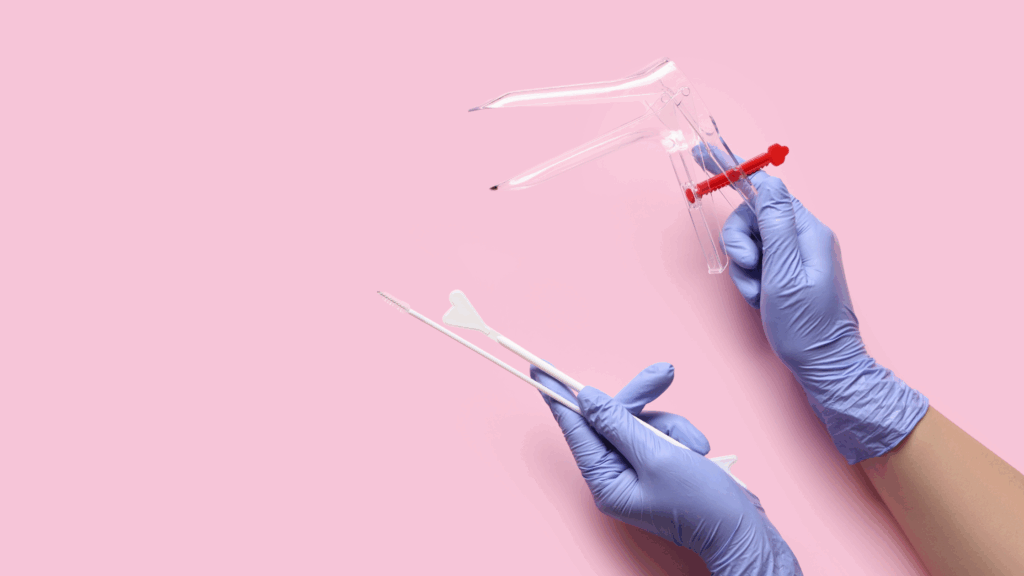
Understanding the Pap Smear
A Pap smear is a screening tool used to detect abnormal cervical cells. It’s often done alongside an HPV test, since high-risk strains of the human papillomavirus (HPV) are the leading cause of cervical cell changes. For most women, the test is quick and painless. But the information it offers can be life-saving.
When results show abnormal changes, they usually fall into categories like ASC-US (atypical cells of undetermined significance), LSIL (low-grade changes), or HSIL (high-grade). You might also hear terms like cervical dysplasia or precancerous lesions—all of which describe how much change is happening at the cellular level. Again: abnormal does not equal cancer.
Common Causes of Abnormal Pap Smear Results
There isn’t just one reason for an abnormal Pap smear. Several factors can influence the health of cervical cells—and not all are related to infection.
One of the most common causes is a persistent HPV infection, especially with high-risk types like HPV-16 or HPV-18. These strains have the potential to cause abnormal growth if not cleared by the immune system.
But HPV isn’t the only piece of the puzzle.
Smoking is a major contributor to cervical cell damage. The cervix is extremely sensitive to toxins, and nicotine metabolites have been found to concentrate in cervical mucus—interfering with immune function and making it harder for the body to repair DNA damage.
Hormonal imbalances, especially estrogen dominance, can also play a role. When estrogen is too high in relation to progesterone, the tissue of the cervix may become more vulnerable to abnormal proliferation. This hormonal state can be influenced by long-term use of hormonal birth control, chronic stress, or even environmental estrogen-like chemicals (xenoestrogens) found in plastics, cosmetics, and processed foods.
Even gut health and insulin resistance matter. A sluggish digestive system, often caused by a low intake of vegetables and too much processed or red meat, can impair estrogen detoxification and increase systemic inflammation—both of which create a less-than-optimal environment for healthy cervical cells.
What Happens After an Abnormal Pap?
Once abnormal results come in, your doctor may recommend additional testing. This could include a repeat Pap smear in a few months, a high-risk HPV test, or a colposcopy—a more detailed examination of the cervix using magnification.
If necessary, a small biopsy may be taken to determine the severity of the changes. This step helps determine whether you’re dealing with mild dysplasia (CIN1), moderate (CIN2), or severe (CIN3). Depending on the result, the plan might involve monitoring over time or, in more serious cases, a minor procedure to remove the affected cells.
It’s normal to feel overwhelmed. But in most cases, these changes are caught early and never progress to cancer. The most important thing is consistent follow-up—and support for your body in the meantime.
Supporting Your Cervical Health Naturally
Medical follow-up is essential, but what you do in your daily life also matters deeply. Your body has a remarkable ability to heal, especially when given the right tools.
Ditch the Cigarettes
If you smoke, quitting is one of the most powerful ways to support your cervical health. Within months of stopping, the immune system begins to rebound—and your body becomes better equipped to clear HPV and repair abnormal tissue.
Rebalance Your Hormones
Estrogen dominance, or the condition where estrogen is high relative to progesterone, has been increasingly linked to abnormal cell growth. It can be subtle—sometimes showing up as PMS, heavy periods, or bloating—but it affects cellular health.
To reduce estrogen dominance:
- Focus on hormone-balancing foods: cruciferous vegetables (like broccoli and kale) help your liver metabolize excess estrogen.
- Minimize exposure to xenoestrogens by choosing natural skincare and avoiding plastics.
- Support progesterone naturally with enough rest, healthy fats, and stress reduction.
Eat to Heal
Your cervix thrives on nutrient-dense, anti-inflammatory foods. Fresh, unprocessed meals rich in antioxidants and fiber help the body eliminate toxins and balance hormones.
Include:
- Leafy greens, berries, and deeply colored vegetables
- Omega-3 rich sources like flaxseed, wild salmon, or walnuts
- Fermented foods like sauerkraut and kefir for gut health
Avoid processed sugar, trans fats, and excess red meat. Your plate is your medicine.
Boost Your Vitamin D
Low levels of vitamin D have been linked to persistent HPV infections and poor immune surveillance. Get your levels checked. A quality vitamin D3 supplement, ideally paired with K2, can help restore optimal levels—especially if you live in a climate with limited sun.
Consider Supplement Support
Certain supplements may offer targeted support:
- Zinc strengthens the immune system and antiviral response.
- Folate and B12 support cellular repair and detoxification.
- DIM (diindolylmethane) helps metabolize estrogen safely.
- Probiotics support both gut and vaginal flora, essential for immune balance.
Disclaimer: Always speak to your doctor before starting supplements, especially if you are being monitored for cervical changes or taking medications.
What You Can Do Now
An abnormal Pap smear isn’t a sentence—it’s a signal. Your body is asking for care, attention, and support.
So what can you do?
- Stay consistent with follow-up appointments.
- Educate yourself on your results.
- Make small but meaningful changes in your lifestyle.
- Prioritize sleep, hydration, whole food nutrition, and daily movement.
- Ask questions—this is your health, your story.
When to Seek Medical Advice
Always check in with your doctor if:
- You’re confused about your Pap smear results.
- You’ve been diagnosed with cervical dysplasia and need a second opinion.
- You’re curious about how to combine natural approaches with medical follow-up.
- You experience new symptoms like bleeding after intercourse, pelvic pain, or irregular periods.
Final thoughts
An abnormal Pap smear is not the end—it’s the beginning of a deeper connection with your body. Through a mix of medical care and empowered lifestyle changes, many women find that abnormal results become a wake-up call, not a warning bell.
You are not broken. Your body is communicating. Now is the time to listen, support, and gently guide it back into balance.
* This blog is for informational purposes only and is not intended to diagnose, treat, or cure any medical condition. Always consult with a qualified healthcare provider before making changes to your diet, lifestyle, or supplement routine, especially if you are pregnant, nursing, taking medication, or have a health condition.

